
The Evolution of the Traditional Otoscope
Tools of the trade…
The Evolution of the Traditional Otoscope
A Journey Through Otoscope History
Honoring the rich legacy of ear examination tools while advancing with modern digital technology
The Modern Traditional Otoscope
A culmination of over 180 years of innovation and refinement
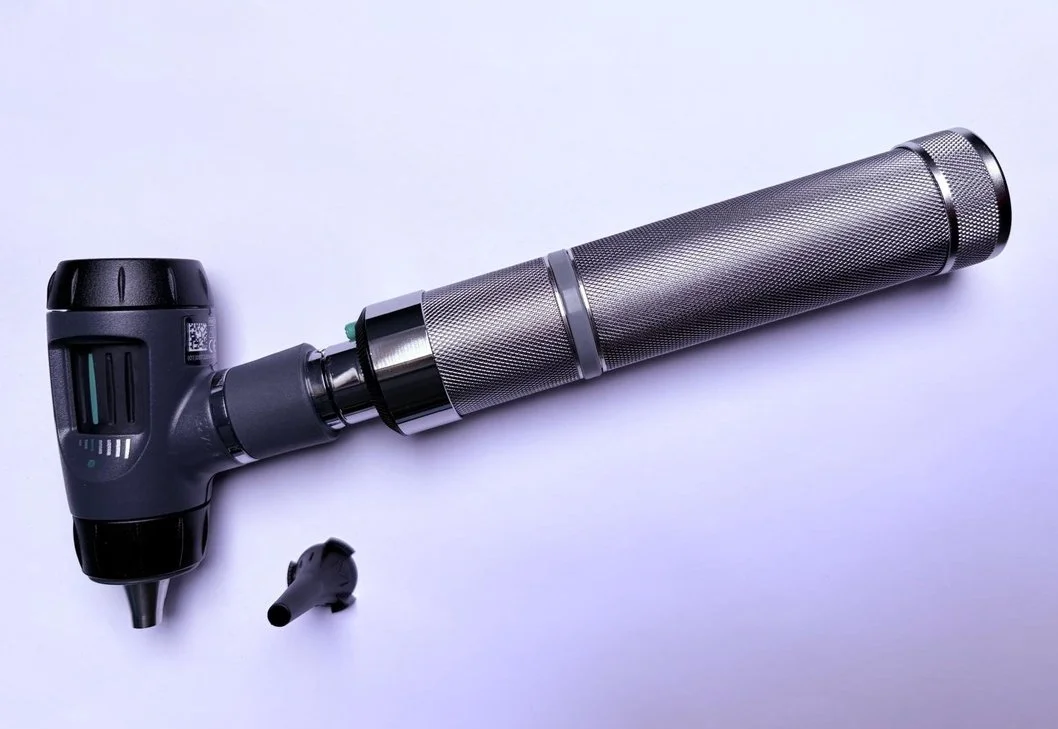
Honouring Tradition at Clear Ear Cheer
At Clear Ear Cheer, we value the legacy of ear care tools like the traditional otoscope, a cornerstone of auditory health for centuries. Its evolution reflects a commitment to improving how we see and understand the ear. Today, we blend this rich history with our advanced digital video otoscopy, ensuring the best care for you.
The Birth of Ear Examination
The traditional otoscope story begins in the early 19th century, when physicians first sought systematic ways to examine the inner workings of the human ear. Before this innovation, ear examinations were limited to external observation and patient descriptions of symptoms.
🕰️ Key Early Developments:
- 1838: French physician Jean-Pierre Bonnafon introduced an early ear speculum, a simple tube designed to peer into the ear canal. While rudimentary by today's standards, this represented the first dedicated instrument for ear examination
- 1850s: Sir William Wilde, an Irish otologist (and father of Oscar Wilde), refined Bonnafon's design with a funnel-shaped tool and integrated light source, marking the first practical otoscope
The revolutionary impact:
These innovations revolutionized ear diagnostics by allowing doctors to visualize the ear canal and eardrum directly for the first time. Prior to this, physicians could only make educated guesses about internal ear conditions based on symptoms alone. The ability to see inside the ear transformed diagnosis from speculation to observation.
💡 Why this mattered: The otoscope gave physicians their first clear view of the tympanic membrane (eardrum), allowing them to identify perforations, infections, and blockages that were previously invisible. This fundamentally changed ear care from reactive treatment to informed diagnosis.
Sir William Wilde's contribution:
Wilde's design was particularly ingenious because it combined three essential elements: magnification, illumination, and a comfortable speculum that could be inserted safely into the ear canal. His work laid the foundation for all otoscopes that followed.
From Candlelight to Modern Design
The journey from the earliest otoscopes to the modern instruments we use today at Clear Ear Cheer spans over a century of continuous innovation, each improvement addressing limitations of earlier designs.
Early lighting challenges (1850s-1880s):
Initially, otoscopes relied on natural light or candles, which severely limited their use to daytime hours and well-lit spaces. Physicians had to position patients near windows or use dangerous open flames, making examinations impractical in many settings.
🔦 Major Lighting Innovations:
- Late 19th century: Addition of mirrors and oil lamps improved visibility, though these were cumbersome and produced uneven lighting
- 1890: German physician Otto Körner integrated a head mirror with a light source, revolutionizing the examination process by freeing the physician's hands
- Early 1900s: Electric bulbs began replacing oil lamps, providing consistent, bright illumination
- 1920s: Battery-powered otoscopes emerged, making them truly portable and practical for house calls
- Mid-20th century: Standardized portable designs with rechargeable batteries became the norm
Otto Körner's breakthrough (1890):
Körner's innovation of combining a head-mounted mirror with focused light was a pivotal moment. This design allowed physicians to direct light precisely while maintaining both hands free for examination and positioning the instrument. This became the standard approach that influenced otoscope design for decades.
The electric revolution (1900s-1920s):
The introduction of electric lighting transformed the otoscope from a daylight-dependent tool into an instrument that could be used anywhere, anytime. This democratized ear examinations, making them accessible in rural areas, during evening hours, and in emergency situations.
Portability and durability (1950s):
By the mid-20th century, companies like Welch Allyn pioneered durable, handheld models with:
- Interchangeable speculum tips for different ear sizes
- Robust construction that could withstand daily clinical use
- Standardized designs that made replacement parts readily available
- Improved optics providing clearer magnification
- Rechargeable battery systems for reliability
These designs established the blueprint for traditional otoscopes still in use today, including those we honor at Clear Ear Cheer as we advance into the digital era.
Innovations That Shaped Ear Care
The development of the otoscope wasn't a single invention but rather a series of incremental improvements by physicians and engineers dedicated to better diagnostic tools.
🔬 Timeline of Innovation:
- 1838 - Jean-Pierre Bonnafon: Created the first ear speculum, a simple tube that allowed basic visualization of the ear canal
- 1850s - Sir William Wilde: Designed the first practical otoscope with a funnel shape and integrated light source, establishing the fundamental design
- 1860s - Adolf Kussmaul: Austrian physician added a more powerful light source and refined the optical system, significantly enhancing diagnostic accuracy and allowing better identification of eardrum pathology
- 1890 - Otto Körner: Integrated a head mirror with focused light, standardizing the examination technique still taught in medical schools today
- 1920s - Multiple manufacturers: Introduction of battery-powered otoscopes made them portable and accessible for home visits and remote locations, expanding ear care beyond hospital settings
- 1950s - Welch Allyn and others: Pioneered durable, handheld models with interchangeable tips and improved optics. These designs became the gold standard for decades and remain in use today
- 1970s-1980s: Introduction of fiber optic lighting provided cooler, brighter illumination without the heat of traditional bulbs
- 1990s-2000s: Development of video otoscopes began the transition to digital ear examination, paving the way for modern technology used at Clear Ear Cheer
The significance of these milestones:
Each advancement built upon the previous, creating a reliable diagnostic tool that fundamentally changed ear care. These innovations:
- Enabled accurate diagnosis of conditions previously only guessed at
- Reduced unnecessary treatments by allowing direct visualization
- Made ear examinations routine rather than exceptional
- Established standardized examination techniques
- Created the foundation for modern digital otoscopy
At Clear Ear Cheer, we honor this heritage of continuous improvement. Just as early innovators built upon each other's work, we combine traditional otoscope reliability with cutting-edge digital video technology to provide you with the most comprehensive ear care possible.
A Timeless Tool in Modern Practice
Despite the availability of advanced digital technology, the traditional otoscope remains a trusted and valuable instrument in ear care, including our practice at Clear Ear Cheer.
🔍 How we use traditional otoscopes:
The traditional otoscope is used alongside our digital video otoscopy in all clinical consultations and ear health checks. This dual approach combines the best of both worlds: the immediacy and simplicity of traditional examination with the detailed documentation and patient engagement of digital technology.
Key features of modern traditional otoscopes:
- Light source: LED bulbs provide bright, consistent illumination while being energy-efficient and long-lasting
- Magnifying lens: Typically 2-3x magnification for clear visualization of ear structures
- Speculum: Interchangeable disposable tips in various sizes to fit different ear canals comfortably
- Handle: Battery-powered with ergonomic design for comfortable extended use
- Durability: Built to withstand daily clinical use with minimal maintenance
What traditional otoscopes can reveal:
During examination, traditional otoscopes allow quick assessment of:
- Earwax build-up, location, and consistency
- Signs of infection or inflammation in the ear canal
- Eardrum appearance, including perforations or retraction
- Foreign bodies lodged in the ear canal
- Structural abnormalities or growths
- Overall ear canal health and skin condition
At Clear Ear Cheer, our integrated approach:
We begin with traditional otoscopy for immediate clinical assessment, then use digital video otoscopy to:
- Capture high-quality images and video for detailed examination
- Share visual evidence with you on a screen so you can see what we see
- Document conditions for your records and potential GP/ENT referral
- Track changes over time with dated imagery
- Enhance your understanding and engagement in your own ear health
This combination ensures we deliver precise, patient-centered care that honors the reliability of traditional tools while embracing the transparency and educational value of modern technology.
Linking Past and Present
Understanding the traditional otoscope history isn't just an academic exercise—it highlights the enduring value of this instrument and informs how we practice ear care today at Clear Ear Cheer.
Lessons from otoscope evolution:
1. The importance of direct visualization:
The otoscope's invention taught us that seeing is understanding. This principle continues with our digital video otoscopy, where we involve you in the examination process by showing you exactly what we see. Transparency in diagnosis leads to better patient understanding and compliance.
2. Innovation builds on tradition:
Every advance in otoscope design built upon what came before. Similarly, digital video otoscopy doesn't replace the traditional otoscope but rather complements it, offering additional capabilities while maintaining the core principle of visual examination.
3. Accessibility matters:
The evolution from candle-lit examinations to battery-powered portable devices democratized ear care. Today, our mobile ear care services continue this tradition, bringing professional ear health directly to care homes and individuals across Essex and Suffolk.
4. Simple, reliable tools have lasting value:
The traditional otoscope has remained essentially unchanged in design for decades because it works. Its simplicity means fewer points of failure, lower costs, and universal familiarity among healthcare providers. At Clear Ear Cheer, we appreciate that sometimes the tried-and-true approach is the right one.
💡 The Clear Ear Cheer philosophy:
We believe in honoring the past while embracing the future. The traditional otoscope represents over 180 years of refinement in ear examination. Our digital technology represents the next chapter in this story. By using both, we provide you with care that is rooted in proven methods and enhanced by modern innovation.
How history informs our practice:
- Respect for established techniques: The examination methods developed over centuries remain effective
- Commitment to improvement: Just as early pioneers continuously refined their tools, we stay current with the latest advancements
- Focus on patient outcomes: Every innovation in otoscope history aimed to improve diagnosis—our goal remains the same
- Accessibility and service: From portable battery-powered otoscopes to our mobile ear care, we're committed to bringing care to where it's needed
This blend of heritage and progress ensures we deliver ear care that is both time-tested and forward-thinking, rooted in over a century of medical evolution while utilizing the best tools available today.
Your Otoscope History Questions Answered
The otoscope's roots trace back to the 1830s, with Jean-Pierre Bonnafon's early ear speculum in 1838. Sir William Wilde created the first practical otoscope in the 1850s. This means the basic concept is over 180 years old, though the design has been continuously refined since then.
While Jean-Pierre Bonnafon created the first ear speculum in 1838, Sir William Wilde is generally credited with inventing the first practical otoscope in the 1850s. However, many physicians contributed to its development, including Adolf Kussmaul (improved lighting), Otto Körner (head mirror integration), and numerous manufacturers who refined the design over decades.
Yes, absolutely! Traditional otoscopes remain in widespread use across medical practices worldwide. At Clear Ear Cheer, we use them alongside our digital video otoscopy technology. They're valued for their simplicity, reliability, portability, and immediate results. Many physicians prefer starting with a traditional otoscope for quick assessments.
A traditional otoscope uses a light and magnifying lens that the practitioner looks through directly. Digital video otoscopy uses a camera to display the ear canal on a screen, allowing both practitioner and patient to view simultaneously. The digital version can capture images and video for documentation, while traditional otoscopes provide immediate visual assessment without additional equipment. At Clear Ear Cheer, we use both: traditional for quick clinical assessment and digital for detailed examination and patient education.
Each has unique advantages. Traditional otoscopes offer immediate, simple examination with proven reliability. Digital video otoscopy provides high-quality imaging, patient engagement (you can see what we see), documentation for records, and the ability to track changes over time. Using both gives you the best of proven traditional methods and modern technological advantages.
Yes! While traditional otoscopes don't allow this (only the practitioner can look through the eyepiece), our digital video otoscopy displays real-time images on a screen. This means you can watch your own examination, see exactly what we're seeing, and better understand your ear health. We find this greatly enhances patient understanding and engagement in their care.
The fundamental design has remained remarkably consistent since the 1950s, which speaks to how well it works. Modern improvements include LED lighting (cooler, brighter, longer-lasting), better materials (more durable, lighter), disposable specula (improved hygiene), and rechargeable batteries. However, the core design of handle, light source, magnification, and speculum remains the same—a testament to the original inventors' brilliance.
Explore Ear Care with Clear Ear Cheer
Creating Our Own Legacy of Care
Ready to experience the best of traditional and digital ear care? Clear Ear Cheer invites you to book a consultation where heritage meets innovation.
Book Ear Health Check Contact Us