
Earwax and Hearing Aid’s
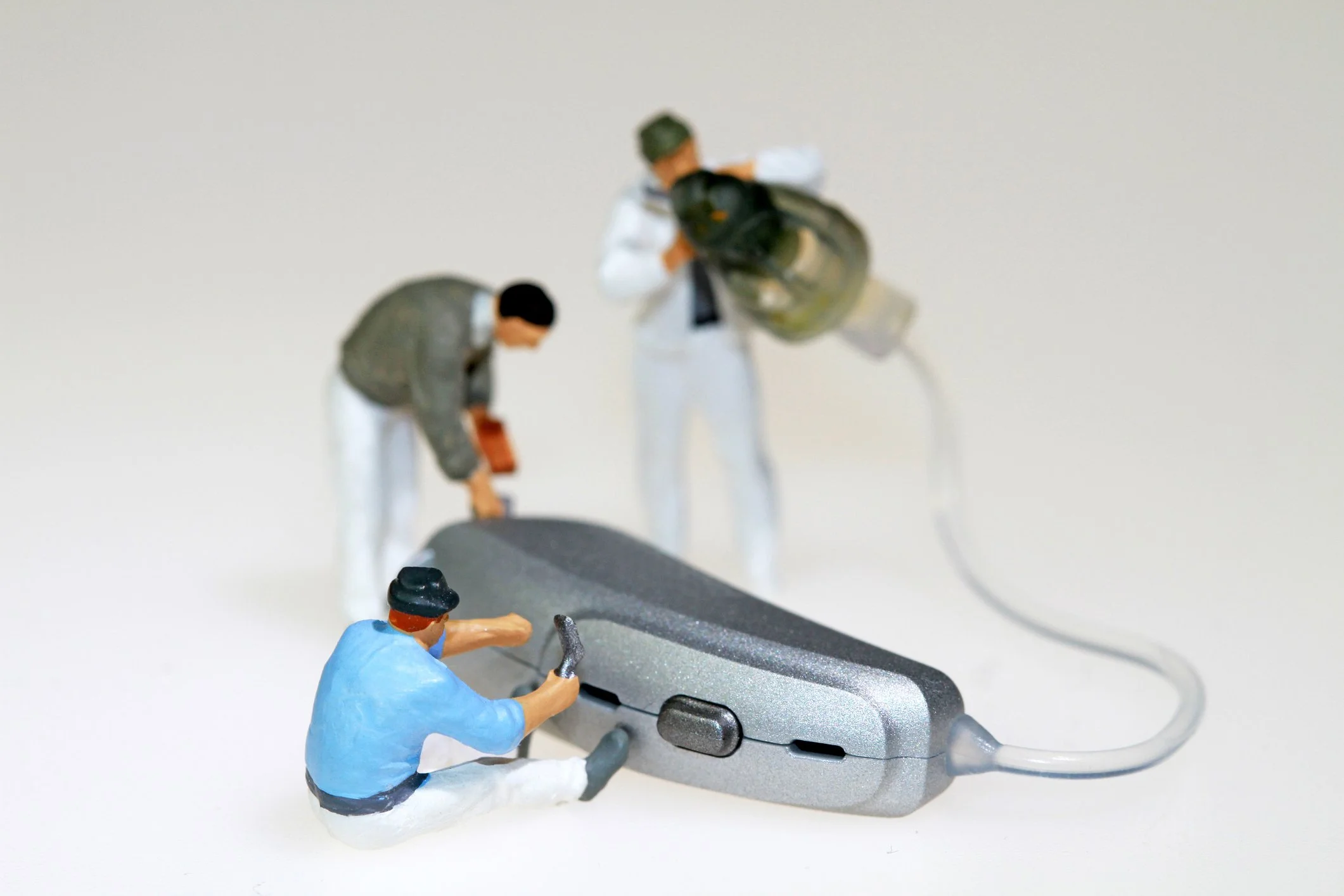
Earwax & Hearing Aid Users
Care Tips for Optimal Performance
Earwax is natural and protective, but for hearing aid users, excessive buildup can cause muffled sound, feedback, and device damage. Proper ear hygiene and regular hearing aid care are essential for maintaining both ear health and device performance.
Earwax serves as a protective barrier, trapping dirt and microbes while moisturizing the ear canal. For hearing aid users, however, earwax buildup can create significant challenges:
- Reduced Audio Clarity — Wax can obstruct the hearing aid's sound output, making sounds quieter or less distinct
- Feedback or Whistling — Excess wax may interfere with the device, causing annoying feedback sounds
- Device Wear and Tear — Wax can damage internal components, shortening the lifespan of your hearing aid
Proactive earwax management helps ensure your hearing aids work effectively and remain in good condition.
Clean Your Hearing Aids Regularly
Follow the manufacturer's guidelines to clean your hearing aids. Use a soft, dry cloth to wipe the device and a small brush or tool to clear wax from the sound ports. Regular cleaning prevents wax buildup and supports optimal device performance.
Schedule Professional Check-ups
See an ear care specialist or your audiologist regularly for safe earwax removal and hearing aid maintenance. They can clear blockages using gentle techniques and inspect your device for wax-related issues. Routine visits help catch problems early and keep your hearing aids functioning well.
Stay Hydrated for Ear Health
Drinking enough water supports healthy earwax consistency, preventing it from becoming too hard or overly runny. Proper hydration reduces the risk of blockages, which can affect both your ears and hearing aids. Aim to follow general health guidelines for daily water intake.
Wax guards are small filters designed to protect your hearing aids by preventing earwax from clogging the sound ports. They play a key role in maintaining device performance:
- Preserving Sound Quality — Wax guards keep the microphone and speaker clear, ensuring crisp and clear audio output
- Protecting Internal Components — By blocking wax, they prevent damage to sensitive parts, extending the life of your hearing aids
- Reducing Repair Costs — Using wax guards minimizes wax-related malfunctions, saving you from frequent or costly repairs
How to Use and Maintain Wax Guards
To get the most out of wax guards, follow these steps:
- Know Your Device — Check your hearing aid model to ensure you're using the correct type of wax guard. Refer to the user manual or ask your audiologist for guidance
- Replace Regularly — Change wax guards every one to two months, or sooner if you notice a reduction in sound quality. Your audiologist can recommend a schedule based on your earwax production
- Follow Instructions — Each hearing aid brand may have specific steps for replacing wax guards. Follow the manufacturer's guidelines to prevent damage to your device
- Seek Help if Needed — If replacing wax guards feels tricky, ask a specialist like Clear Ear Cheer or your audiologist for a demonstration or assistance to ensure proper installation
Keep Your Hearing Aids Performing at Their Best
Proper earwax management is essential for hearing aid users to enjoy clear sound and prolong the life of their devices. By maintaining good ear hygiene, scheduling regular check-ups, and using wax guards, you can keep your hearing aids in top shape.
At Clear Ear Cheer, we source and fit a variety of high-quality wax guards tailored to different hearing aid models. We also provide professional earwax removal and hearing aid cleaning services to keep everything working perfectly.
Or call 07534 764560 to discuss your needs