
Is it Dementia, or is it Earwax?
Is it Dementia, or is it Earwax? A Personal Perspective on the "Silent Block"
In the world of adult social care, we talk a lot about "person-centred care." But how can we truly centre a person when they are locked behind a wall of silence?
Why This Matters to Me
At Clear Ear Cheer, this isn't just a business mission; it's a personal one. My journey into professional ear health began exactly where many of you are right now—supporting my own mum through her journey in a care home.
Watching a loved one navigate cognitive decline is heartbreaking. But watching them lose their connection to the world simply because of a reversible earwax blockage? That was a call to action I couldn't ignore.
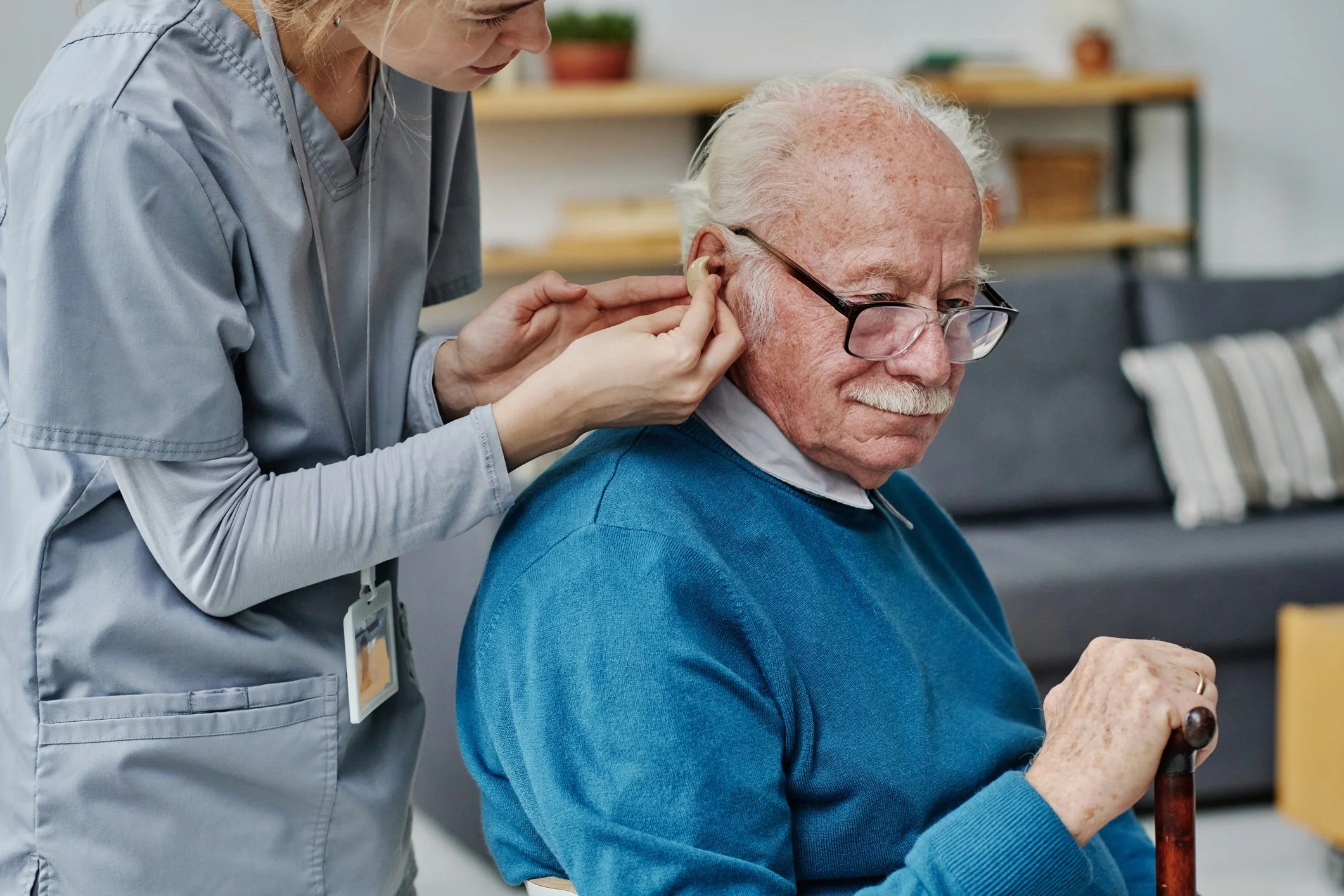
The "Silent Block": When Earwax Looks Like Dementia
In clinical terms, we call this Diagnostic Overshadowing. It's what happens when the symptoms of a simple, treatable condition—like earwax—are "overshadowed" by a primary diagnosis like Dementia or Alzheimer's.
When a resident's ears are blocked, they experience sensory deprivation. To a busy carer or a worried relative, the resident might appear more confused, more withdrawn, or even agitated. It's easy to think, "The dementia is getting worse," when the reality might actually be, "They just can't hear you."
The Radio Analogy: Why Hearing is Exhausting
I like to explain "Cognitive Load" using what I call the Radio Analogy.
Imagine trying to listen to an important broadcast on a radio that's tuned just slightly off-station. To hear the words through the static, you have to concentrate with 100% of your energy.
By the time the broadcast ends, you're exhausted. You have no "brain power" left to process what the news meant because you spent it all just trying to hear the sounds.
This is what earwax does to a person with cognitive challenges.
When we clear the wax, we "tune the radio." Suddenly, that energy is freed up, and the person's personality can shine through again. I've seen it happen dozens of times—the light comes back into their eyes, and families say, "We've got Mum back."
5 Red Flags for Care Staff & Families
If you notice these changes in a resident or loved one, it's time for an ear health check:
- The "Smiling and Nodding" Trap: The resident seems to agree with you, but hasn't actually processed the instruction.
- Increased Volume: The TV is suddenly at maximum volume, or you're constantly having to repeat yourself.
- Physical Cues: Tugging at the ears, rubbing the side of the head, or complaining of "fullness."
- Social Withdrawal: Refusing to go to the dining room or group activities because the background noise feels overwhelming.
- Balance Issues: A sudden increase in "wobbliness" or falls—the inner ear affects balance, and wax can throw this off.
Beyond Earwax: The Value of Professional Assessment
Here's something many people don't realise: an ear health check isn't just about earwax removal.
When I examine a resident's ears using HD Video Otoscopy, I'm looking for far more than wax buildup. I'm conducting a comprehensive clinical assessment that can identify:
- Ear infections (otitis externa or media)
- Perforated eardrums
- Foreign objects in the ear canal
- Unusual discharge or bleeding
- Structural abnormalities
- Signs of underlying conditions that need medical attention
If I find anything beyond earwax, I don't just send you away. I provide a detailed GP referral letter with video evidence from the otoscopy. This means:
- ✅ Your GP gets visual evidence, not just a description
- ✅ The resident gets faster access to specialist care
- ✅ Nothing gets missed or dismissed as "just part of ageing"
- ✅ You have clinical documentation for care records and CQC compliance
Think of me as a clinical gateway. Even if earwax isn't the problem, you've still gained valuable diagnostic information and a clear pathway to the right specialist care—whether that's ENT, audiology, or your GP.
Why We Do What We Do
Seeing the "Cheer" return to a resident's face when they can finally hear their daughter's voice or their favourite song again—that's why I started this.
Using HD Video Otoscopy, I can show you exactly what's happening inside the ear. Using Gentle Microsuction, we can safely remove earwax in minutes—often with immediate, life-changing results.
But whether it's earwax, an infection, or something that needs specialist referral, you'll never leave without answers and a clear next step.
We aren't just clearing ears. We're restoring connections.
Because everyone deserves to "Hear the Joy and Feel the Care."
Does someone you care for show these signs? Let's check their ears before assuming it's "just the dementia." Whether it's wax or something else, we'll find the answer and get them the help they need.
Back to Top ↑